From burst supply lines to storm flooding, water damage in Port Jefferson calls for fast extraction and thorough drying. Anchor Restoration Co. is a restoration referral service. Your call is connected to a licensed, insured local crew.
Call Now: 516-212-7758From burst pipes to flooded basements, local crews extract standing water fast and dry the structure thoroughly to prevent secondary damage. Anchor Restoration Co. is a restoration referral service. Your call is connected to a licensed, insured local crew.
The village of Port Jefferson (11777) sits along the Long Island Sound shore in the Town of Brookhaven, near Port Jefferson Station, East Setauket and Mount Sinai. Port Jefferson's harborfront flooded during Hurricane Sandy, with 1 to 3 feet of water reported along parts of Broadway.
Tropical Storm Isaias in August 2020 left more than 420,000 PSEG Long Island customers without power, and outages like that leave sump pumps idle. Low-lying areas near the harbors and the Sound take on water when surge and high tide line up. Storms that bring down trees and power lines also stop sump pumps, which is how many basements in the area end up flooded.
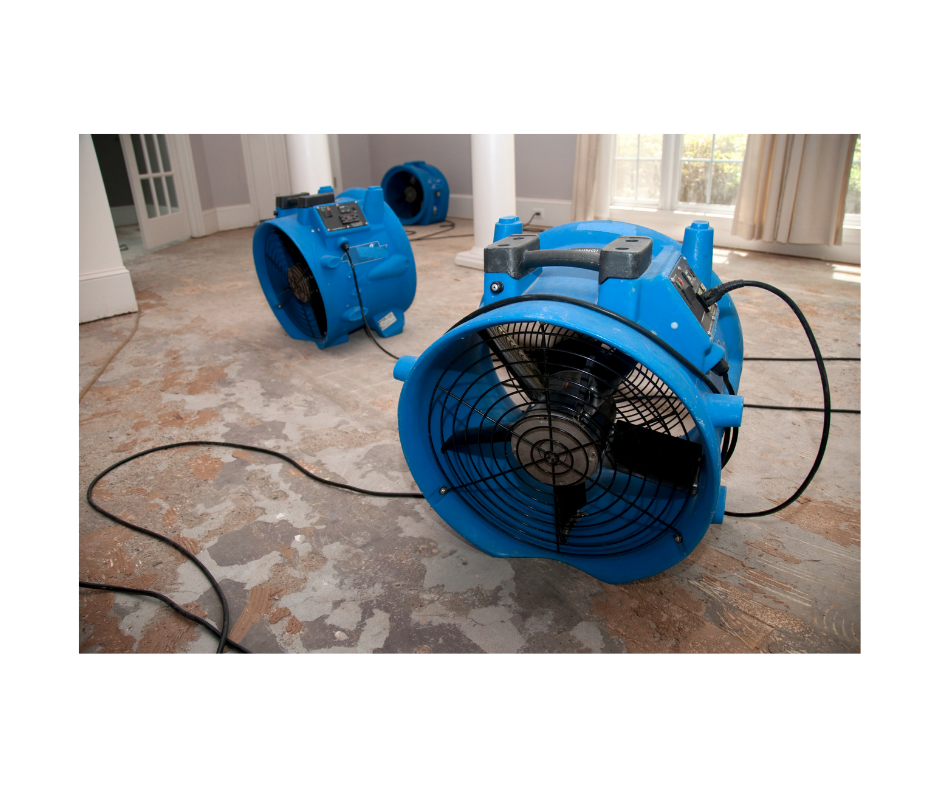
In practice, crews in Port Jefferson focus on stopping the source, removing standing water quickly, and drying structure and contents to acceptable moisture levels.
Crews also serve nearby Port Jefferson Station, East Setauket and Mount Sinai. Crews also handle fire and smoke damage in Port Jefferson and mold remediation in Port Jefferson.
That depends on the water source and the damage. Contaminated water or electrical hazards can make a home unsafe, and crews can advise after a quick assessment.
A backup is sewage, not clean water, so crews contain the area, remove affected materials, and sanitize. Coverage for sewer or septic backup varies by policy, so ask your carrier.
Crews aim to respond quickly, day or night. Call and the current arrival estimate for Port Jefferson will be confirmed on the phone.
Crews handle bay and surge flooding, which involves salt water and debris and usually needs more than drying alone.
Drying continues until moisture readings return to acceptable levels, which varies with each job.