From burst supply lines to storm flooding, water damage in Port Jefferson Station calls for fast extraction and thorough drying. Anchor Restoration Co. is a restoration referral service. Your call is connected to a licensed, insured local crew.
Call Now: 516-212-7758From burst pipes to flooded basements, local crews extract standing water fast and dry the structure thoroughly to prevent secondary damage. Anchor Restoration Co. is a restoration referral service. Your call is connected to a licensed, insured local crew.
Located on the North Shore of Suffolk County in the Town of Brookhaven, Port Jefferson Station (11776) is a short drive from Mount Sinai, Port Jefferson and Miller Place. Sandy pushed 2 to 4 feet of water into low-lying areas around Suffolk's North Shore harbors, according to the National Weather Service.
Tropical Storm Isaias in August 2020 left more than 420,000 PSEG Long Island customers without power, and outages like that leave sump pumps idle. Wind-driven outages leave sump pumps idle just when heavy rain makes them necessary. Stone and block basements common on the North Shore allow more moisture through than newer construction.
For Port Jefferson Station property owners, that means starting extraction and drying early and documenting the loss carefully for the claim.
Nearby areas served include Mount Sinai, Port Jefferson and Miller Place. Crews also handle fire and smoke damage in Port Jefferson Station and mold remediation in Port Jefferson Station.
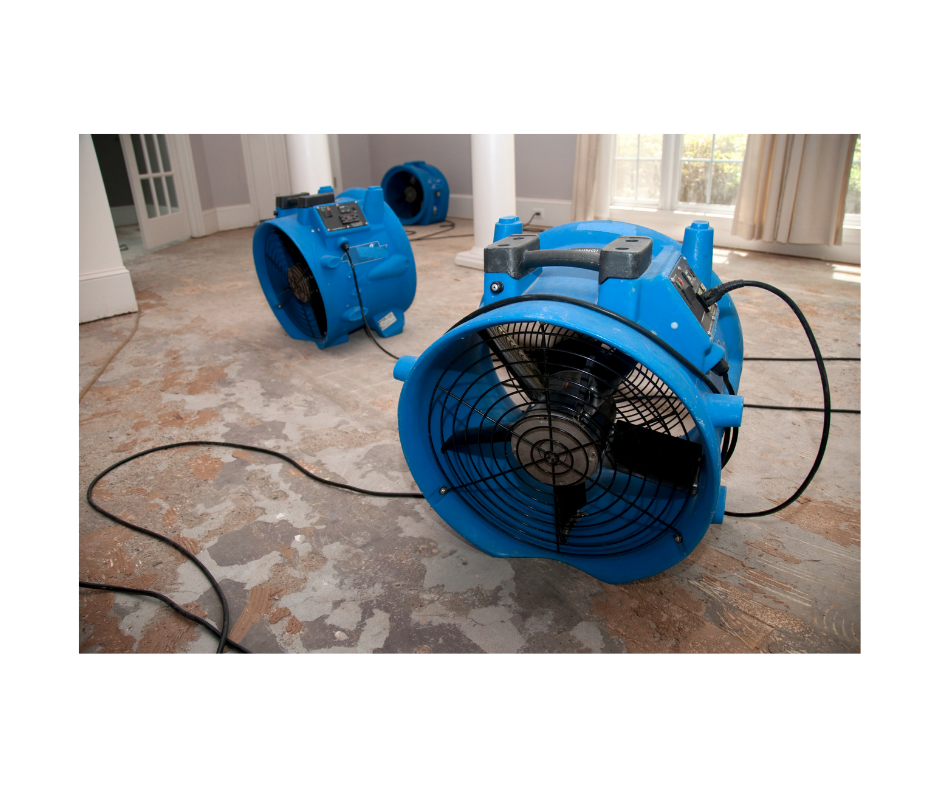
Coverage depends on the cause and your policy. Sudden events are commonly covered, and crews provide documentation for the claim.
If it is safe, stop the water source, turn off power to affected areas, and move valuables to a dry place. Take photos for your insurance claim.
A backup is sewage, not clean water, so crews contain the area, remove affected materials, and sanitize. Coverage for sewer or septic backup varies by policy, so ask your carrier.
Yes. Salt-water flooding calls for extraction, removal of contaminated materials, sanitizing, and thorough drying, and documentation matters for flood-policy claims.
Drying time varies with the extent of water, the materials, and conditions, and it is monitored until moisture readings reach normal levels.