Water spreads fast in Wyandanch. Local crews extract, dry, and dehumidify around the clock before a leak becomes a total loss. Anchor Restoration Co. is a restoration referral service. Your call is connected to a licensed, insured local crew.
Call Now: 516-212-7758From burst pipes to flooded basements, local crews extract standing water fast and dry the structure thoroughly to prevent secondary damage. Anchor Restoration Co. is a restoration referral service. Your call is connected to a licensed, insured local crew.
Wyandanch (11798) is in the Town of Babylon, in western Suffolk, close to Brentwood, Deer Park and Central Islip. Suffolk County has roughly 380,000 cesspools and septic systems, according to the county health department, which makes sewage backups a recurring cause of water damage.
Much of the housing in Wyandanch dates from the post-war and later suburban building waves, so original plumbing, water heaters, and sump pumps are now reaching the end of their service lives. Past renovations frequently enclosed plumbing behind drywall, which lets small leaks in Wyandanch homes do hidden damage. Original shutoff valves in older Wyandanch homes can seize, which makes a burst line harder to stop quickly.
Knowing these local patterns helps crews in Wyandanch look in the right places first and avoid repeat problems.
The same crews cover nearby Brentwood, Deer Park and Central Islip. Crews also handle fire and smoke damage in Wyandanch and mold remediation in Wyandanch.
A backup is sewage, not clean water, so crews contain the area, remove affected materials, and sanitize. Coverage for sewer or septic backup varies by policy, so ask your carrier.
The final cost depends on scope and materials. If the loss is covered, crews can bill the carrier directly.
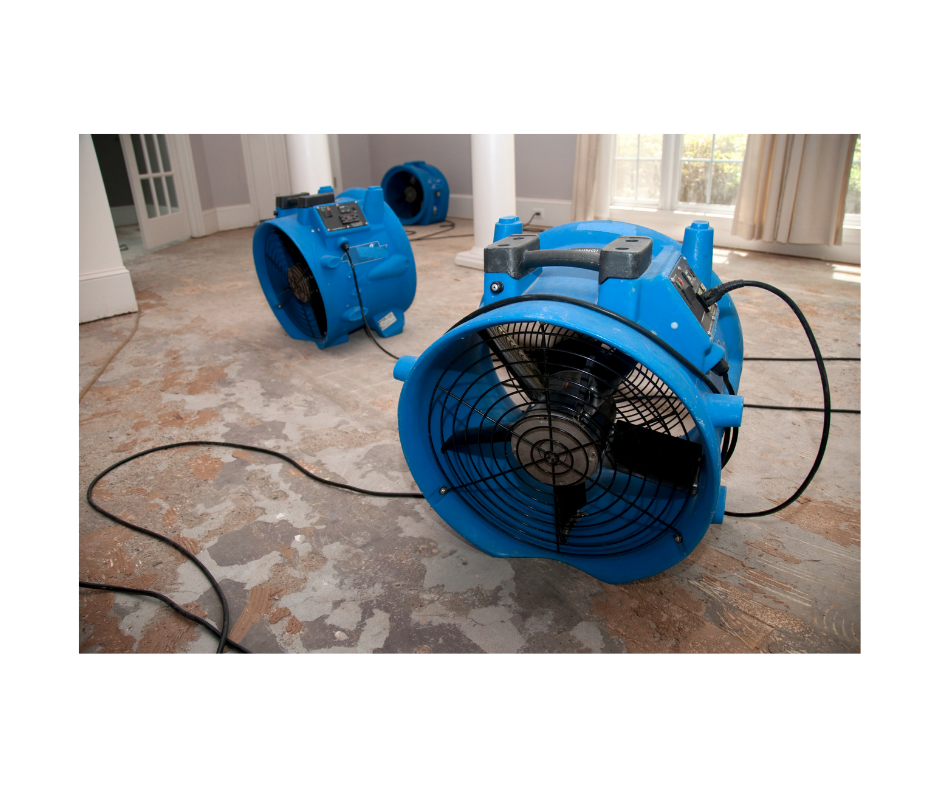
Drying continues until moisture readings return to acceptable levels, which varies with each job.
Crews aim to respond quickly, day or night. Call and the current arrival estimate for Wyandanch will be confirmed on the phone.
If it is safe, stop the water source, turn off power to affected areas, and move valuables to a dry place. Take photos for your insurance claim.