Standing water in West Islip keeps causing damage by the hour. Crews move quickly to remove it and dry the structure. Anchor Restoration Co. is a restoration referral service. Your call is connected to a licensed, insured local crew.
Call Now: 516-212-7758From burst pipes to flooded basements, local crews extract standing water fast and dry the structure thoroughly to prevent secondary damage. Anchor Restoration Co. is a restoration referral service. Your call is connected to a licensed, insured local crew.
West Islip (11795) is in the Town of Islip, along Suffolk's South Shore, close to Islip, Brightwaters and East Islip. The National Weather Service recorded record flooding along the Great South Bay during Hurricane Sandy in 2012, with surge of roughly 6 to 7 feet on the southwest Suffolk shore.
In August 2014, West Islip was among the communities that received more than 10 inches of rain in a single storm. Many waterfront properties fall in mapped flood zones, so documentation for flood claims matters as much as the drying itself. Bay flooding is salt water carrying silt and debris, so cleanup goes well beyond the drying used for a clean-water pipe break.
For West Islip property owners, that means starting extraction and drying early and documenting the loss carefully for the claim.
The same crews cover nearby Islip, Brightwaters and East Islip. Crews also handle fire and smoke damage in West Islip and mold remediation in West Islip.
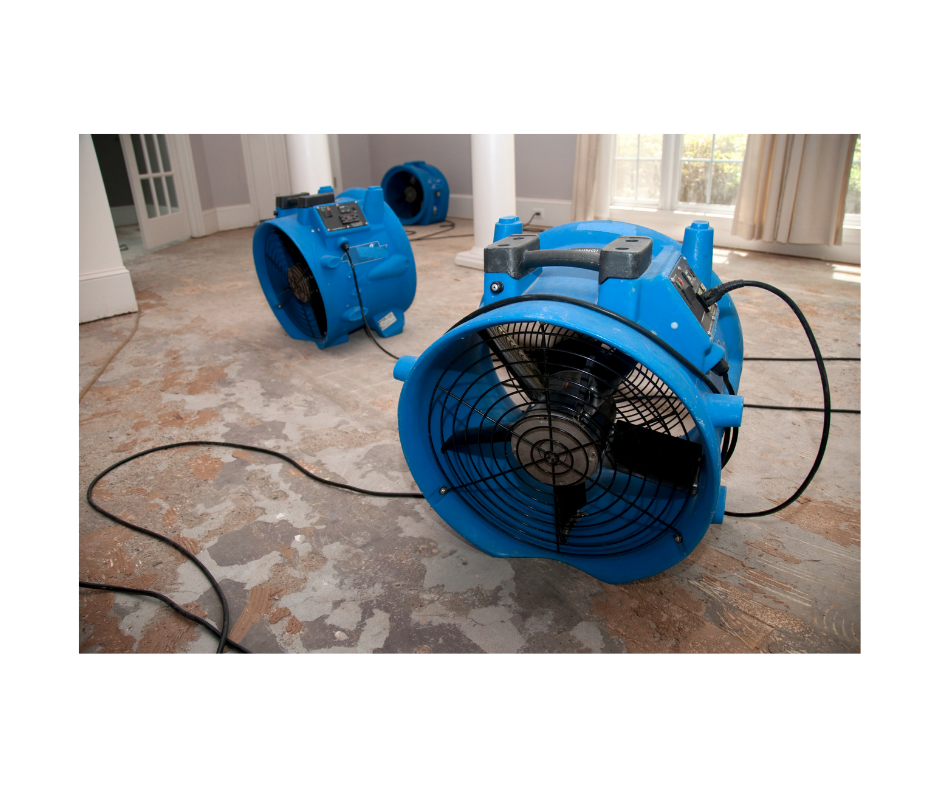
Yes. Salt-water flooding calls for extraction, removal of contaminated materials, sanitizing, and thorough drying, and documentation matters for flood-policy claims.
That depends on the water source and the damage. Contaminated water or electrical hazards can make a home unsafe, and crews can advise after a quick assessment.
In West Islip, crews commonly see supply line failures, appliance leaks, sump pump problems, and storm-driven water.
The final cost depends on scope and materials. If the loss is covered, crews can bill the carrier directly.
A backup is sewage, not clean water, so crews contain the area, remove affected materials, and sanitize. Coverage for sewer or septic backup varies by policy, so ask your carrier.