Standing water in Sayville keeps causing damage by the hour. Crews move quickly to remove it and dry the structure. Anchor Restoration Co. is a restoration referral service. Your call is connected to a licensed, insured local crew.
Call Now: 516-212-7758From burst pipes to flooded basements, local crews extract standing water fast and dry the structure thoroughly to prevent secondary damage. Anchor Restoration Co. is a restoration referral service. Your call is connected to a licensed, insured local crew.
Sayville (11782) is one of the communities on the south side of Suffolk County; neighboring areas include Bayport, West Sayville and Blue Point. The National Weather Service recorded record flooding along the Great South Bay during Hurricane Sandy in 2012, with surge of roughly 6 to 7 feet on the southwest Suffolk shore.
Record rainfall on August 13, 2014 flooded roads and basements across southwest Suffolk, with 13.26 inches measured at MacArthur Airport in Islip. Many waterfront properties fall in mapped flood zones, so documentation for flood claims matters as much as the drying itself. Rain on top of a high tide can overwhelm storm drains and sump pumps in low-lying bayfront neighborhoods.
For Sayville property owners, that means starting extraction and drying early and documenting the loss carefully for the claim.
Nearby areas served include Bayport, West Sayville and Blue Point. Crews also handle fire and smoke damage in Sayville and mold remediation in Sayville.
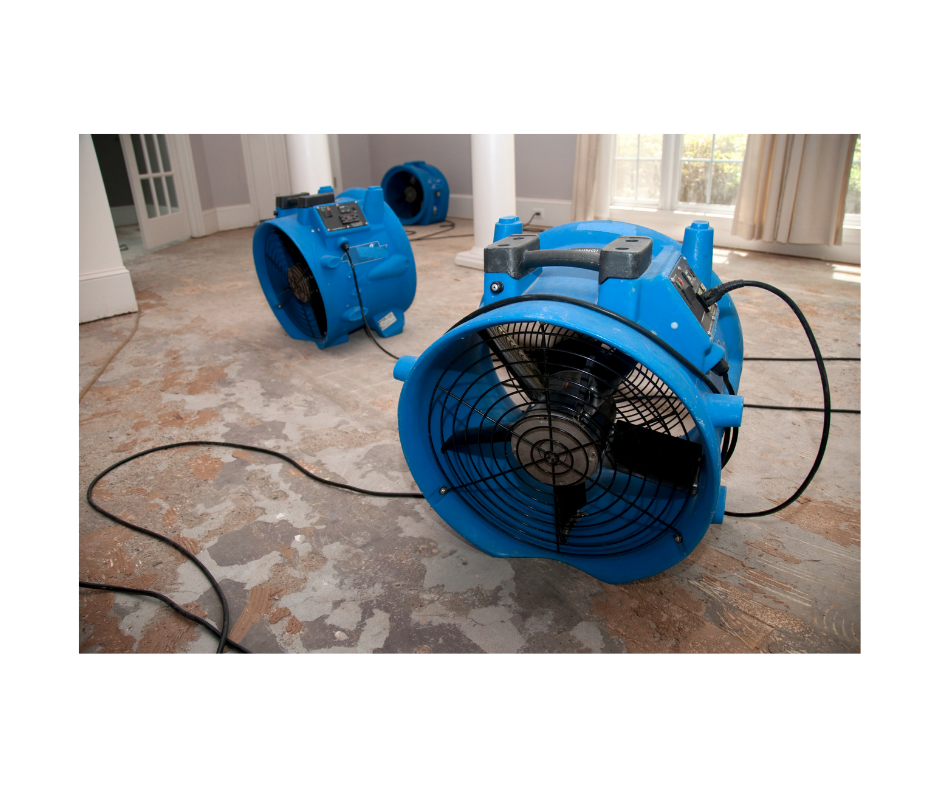
Burst or frozen supply lines, failed sump pumps, appliance and water heater leaks, roof leaks, and storm flooding are among the usual causes in Sayville.
A backup is sewage, not clean water, so crews contain the area, remove affected materials, and sanitize. Coverage for sewer or septic backup varies by policy, so ask your carrier.
Often, yes, when drying starts quickly and uses proper equipment. Materials that stayed wet too long may need replacement.
Crews handle bay and surge flooding, which involves salt water and debris and usually needs more than drying alone.
Trapped moisture inside walls and subfloors can lead to mold growth within a day or two, along with warped flooring and weakened materials.