Musty odors and visible growth in Long Beach are signs to act. Crews assess the extent, contain the area, and remove mold safely. Anchor Restoration Co. is a restoration referral service. Your call is connected to a licensed, insured local crew.
Call Now: 516-212-7758Crews locate the moisture source, contain the affected area, and remove contamination using safe, professional-grade treatments. Anchor Restoration Co. is a restoration referral service. Your call is connected to a licensed, insured local crew.
Long Beach (11561) sits in the South Shore area, with Island Park, Atlantic Beach and Point Lookout nearby. Long Beach is a barrier-island city, incorporated in 1922 as a beach resort and surrounded by Reynolds Channel and the Atlantic.
The city sustained heavy damage during Hurricane Sandy in 2012, and most properties are in high-risk flood zones with flood insurance requirements. Constant ocean and bay humidity keeps materials damp, so mold can establish quickly after any leak or flooding. Persistent dampness in garages and ground-level enclosures is a frequent source of mold. Materials that were submerged or soaked during a storm are the most common source of mold afterward.
That is why acting early matters in Long Beach: mold spreads wherever moisture stays.
The same crews cover nearby Island Park, Atlantic Beach and Point Lookout. Crews also handle water damage in Long Beach and fire and smoke damage in Long Beach.
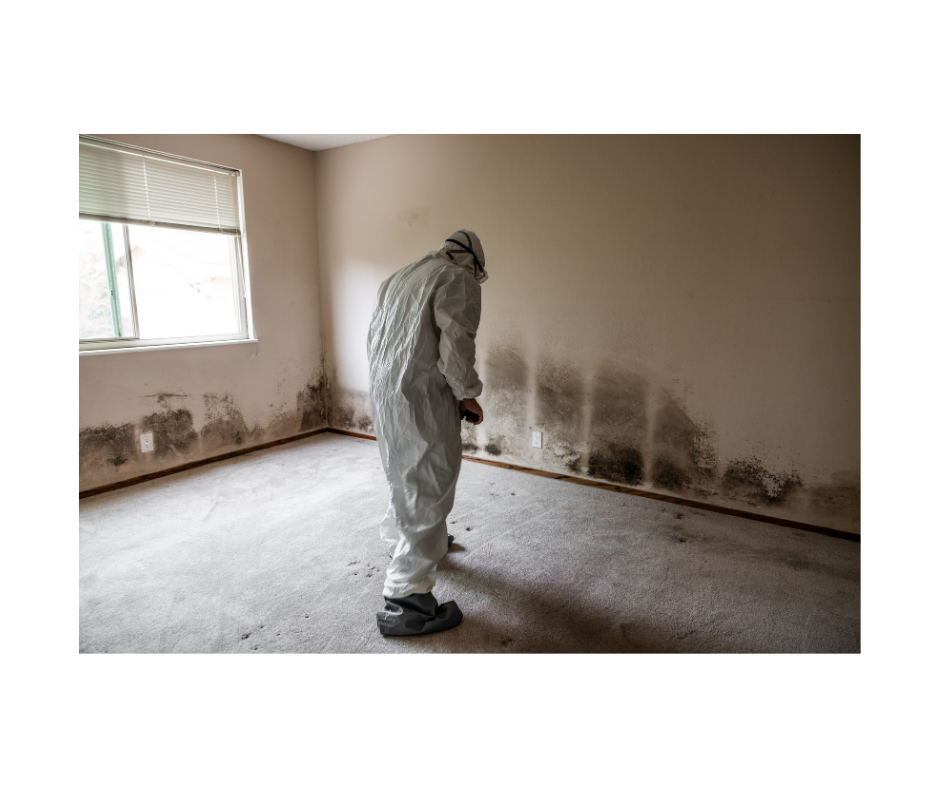
Mold coverage varies by policy and cause, and documentation helps your carrier evaluate the claim.
Moisture mapping and targeted testing help locate mold that isn't visible.
Small areas may be manageable, but extensive growth or mold inside walls calls for professional remediation.
Crews schedule mold assessments quickly, prioritizing cases tied to active leaks or flooding.
Persistent dampness is the root cause, often from leaks, humidity, or incomplete drying after a water event.