When water gets into a Holtsville home, the first hours matter most. Crews extract standing water and begin structural drying right away. Anchor Restoration Co. is a restoration referral service. Your call is connected to a licensed, insured local crew.
Call Now: 516-212-7758From burst pipes to flooded basements, local crews extract standing water fast and dry the structure thoroughly to prevent secondary damage. Anchor Restoration Co. is a restoration referral service. Your call is connected to a licensed, insured local crew.
Holtsville (11742), in the western part of Suffolk County, borders or sits near Huntington Station, Holbrook and Melville. Record rainfall on August 13, 2014 flooded roads and basements across southwest Suffolk, with 13.26 inches measured at MacArthur Airport in Islip.
Suffolk County has roughly 380,000 cesspools and septic systems, according to the county health department, which makes sewage backups a recurring cause of water damage. Homes, storefronts, and light-commercial buildings are all part of the mix in Holtsville, and each dries differently. Original shutoff valves in older Holtsville homes can seize, which makes a burst line harder to stop quickly.
For Holtsville property owners, that means starting extraction and drying early and documenting the loss carefully for the claim.
Nearby areas served include Huntington Station, Holbrook and Melville. Crews also handle fire and smoke damage in Holtsville and mold remediation in Holtsville.
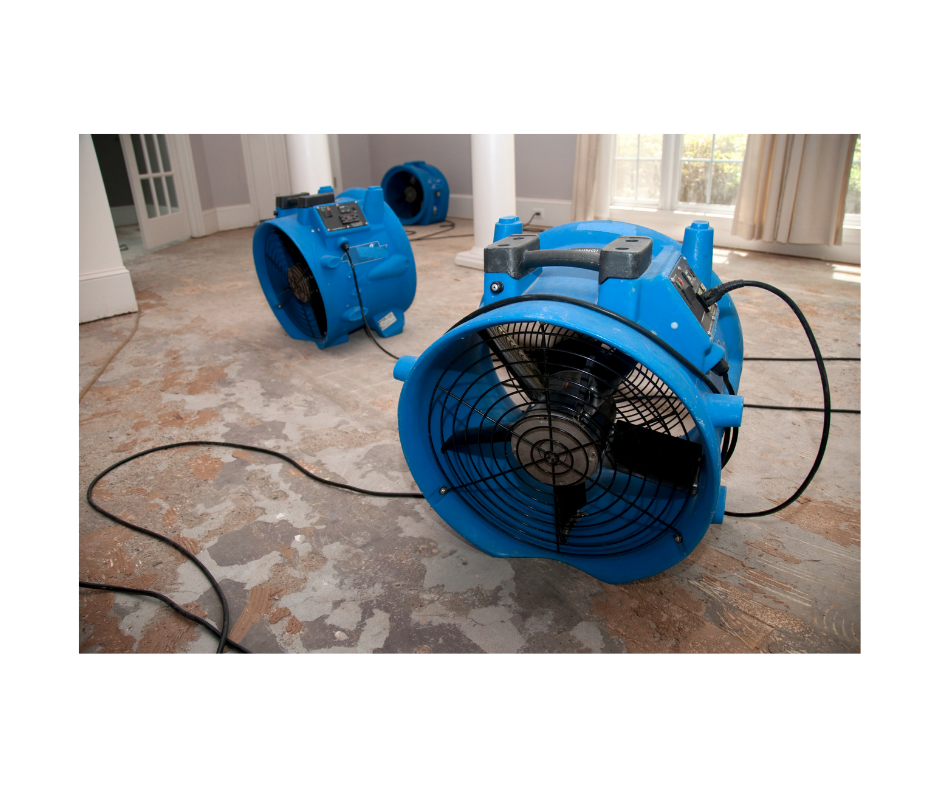
Drying time varies with the extent of water, the materials, and conditions, and it is monitored until moisture readings reach normal levels.
Moisture left in walls and under floors encourages mold and can warp flooring and swell framing, so complete drying matters.
Crews aim to respond quickly, day or night. Call and the current arrival estimate for Holtsville will be confirmed on the phone.
The final cost depends on scope and materials. If the loss is covered, crews can bill the carrier directly.
Sewage from a failed cesspool or septic system needs containment and sanitizing, not just drying. Many policies treat backups separately, so check what yours covers.