Standing water in Eastport keeps causing damage by the hour. Crews move quickly to remove it and dry the structure. Anchor Restoration Co. is a restoration referral service. Your call is connected to a licensed, insured local crew.
Call Now: 516-212-7758From burst pipes to flooded basements, local crews extract standing water fast and dry the structure thoroughly to prevent secondary damage. Anchor Restoration Co. is a restoration referral service. Your call is connected to a licensed, insured local crew.
Eastport (11941), on Suffolk's South Shore, borders or sits near East Moriches, Center Moriches and Moriches. The National Weather Service recorded record flooding along the Great South Bay during Hurricane Sandy in 2012, with surge of roughly 6 to 7 feet on the southwest Suffolk shore.
Suffolk County has roughly 380,000 cesspools and septic systems, according to the county health department, which makes sewage backups a recurring cause of water damage. Garages, lower enclosures, and mechanical equipment near the ground are the first to take on water, even in homes that were raised. Being near the bays means Eastport deals with tidal and storm-driven water that communities farther inland rarely see.
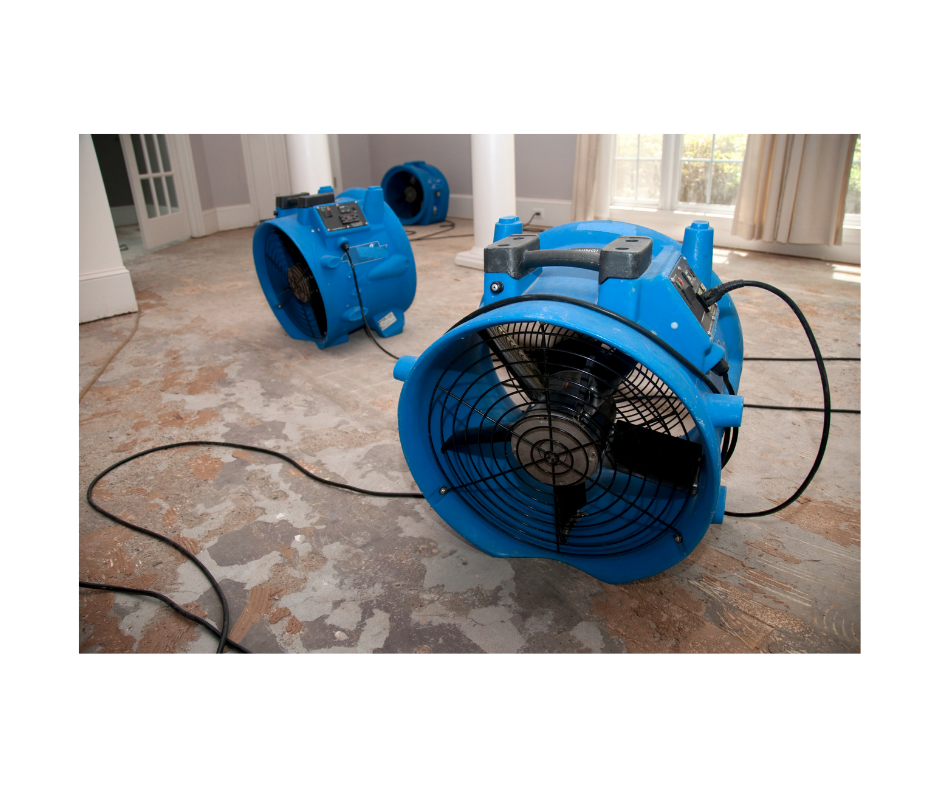
In practice, crews in Eastport focus on stopping the source, removing standing water quickly, and drying structure and contents to acceptable moisture levels.
The same crews cover nearby East Moriches, Center Moriches and Moriches. Crews also handle fire and smoke damage in Eastport and mold remediation in Eastport.
Crews aim to respond quickly, day or night. Call and the current arrival estimate for Eastport will be confirmed on the phone.
Yes. Salt-water flooding calls for extraction, removal of contaminated materials, sanitizing, and thorough drying, and documentation matters for flood-policy claims.
Drying time varies with the extent of water, the materials, and conditions, and it is monitored until moisture readings reach normal levels.
In Eastport, crews commonly see supply line failures, appliance leaks, sump pump problems, and storm-driven water.
Sewage from a failed cesspool or septic system needs containment and sanitizing, not just drying. Many policies treat backups separately, so check what yours covers.