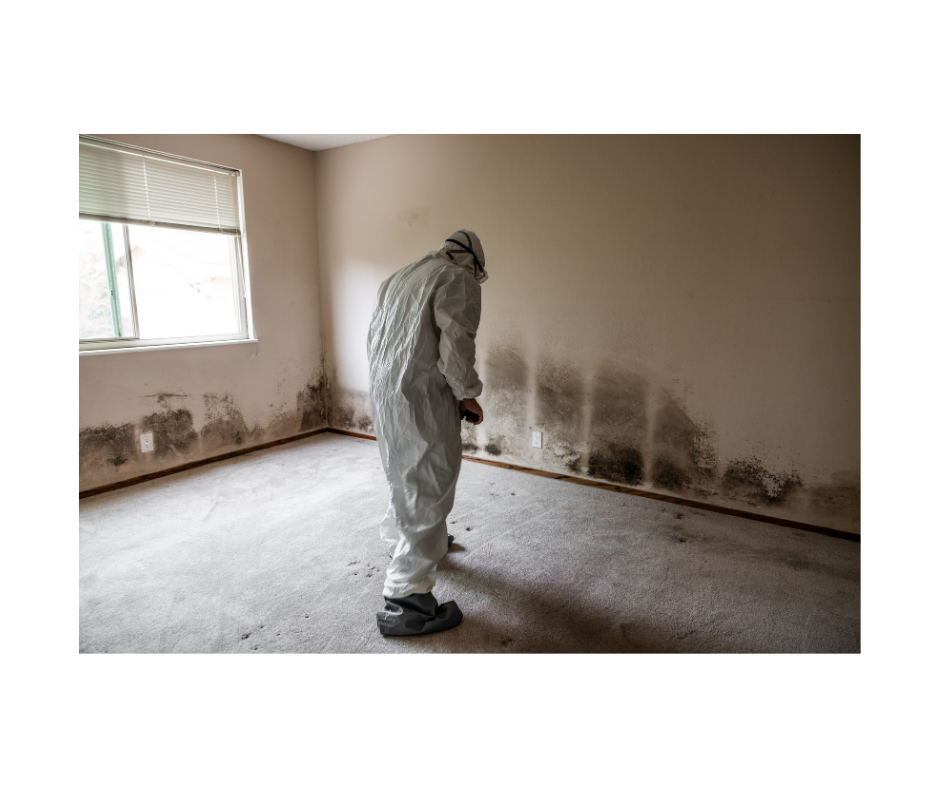
Mold in East Islip homes usually points to a hidden moisture problem. Crews inspect, contain, remove, and help correct the source. Anchor Restoration Co. is a restoration referral service. Your call is connected to a licensed, insured local crew.
Call Now: 516-212-7758Crews locate the moisture source, contain the affected area, and remove contamination using safe, professional-grade treatments. Anchor Restoration Co. is a restoration referral service. Your call is connected to a licensed, insured local crew.
East Islip (11730) sits on Suffolk's South Shore, with Great River, Islip and Oakdale nearby. Flooding from Hurricane Sandy in 2012 soaked bayfront homes along the Great South Bay, and wet materials left behind are a classic source of mold.
Mold after the August 2014 flood became common where basements stayed damp. Moisture mapping separates surface mold from growth inside walls, which shapes the remediation plan. Ground-level spaces near the bays stay damp for long stretches, which supports growth on framing and stored items.
That is why acting early matters in East Islip: mold spreads wherever moisture stays.
The same crews cover nearby Great River, Islip and Oakdale. Crews also handle water damage in East Islip and fire and smoke damage in East Islip.
Yes, if materials stay wet. Drywall, insulation, and flooring that were soaked can grow mold within days unless they are dried or removed.
Crews schedule mold assessments quickly, prioritizing cases tied to active leaks or flooding.
Typical steps are inspection, containment, air filtration, removal of affected materials, cleaning and treatment, and verification that the area is clear.
Recurrence is tied to moisture. When the source is fixed and humidity is controlled, mold is much less likely to return.
Coverage depends on the cause. Mold resulting from a covered sudden water loss is more likely to be covered, while long-term neglect usually is not. Crews provide documentation for the claim.